Tight hips are a problem for many people today. If you sit at a desk for work, drive long hours, or spend time on the couch, your hips get tight. This tightness does not stay in the hips alone. It moves to your lower back, your knees, and even your neck. You may feel stiff when you stand up after sitting. You may have pain that you think is from something else. But the root cause is often your hips.
The good news is that yoga helps. This guide gives you clear stretches for tight hips. You will learn why hips get tight, how to tell if yours are tight, and the best yoga poses to fix the problem. You will also learn yoga stretches for tight hips.
Why Hips Get Tight?
The hip is a large joint in the middle of your body . It helps you walk, run, sit, stand, and bend. Many muscles connect to the hip. These include the hip flexors in the front, the glute muscles in the back, and muscles that rotate the hip.
Modern life makes hips tight. Sitting is the main cause. When you sit, the hip flexors shorten and tighten . The glute muscles get weak. Weak glutes make the tightness worse. Even people who exercise can have tight hips if they sit for many hours a day.
Some sports also make hips tight. Running and cycling use the hip muscles a lot . These sports can make the hip flexors tight and strong. But they do not stretch them. Over time, the muscles get shorter and tighter.
Read Also: Yoga Stretches For Lower Back Pain At Home
Signs Your Hips Are Tight
You may have tight hips if you feel stiff in the hip area. You might also notice these signs :
-
Pain in your lower back, especially when you stand
-
Problems keeping good posture
-
Tightness or pain in your neck
-
Pain in your glutes
-
Feet that point outward when you stand
-
Pain in the hip when you bring your knee to your chest
Athletes may notice other signs. Tight hips can slow a runner's stride. They can slow a cyclist's pedal speed. They can also make swimming less efficient . Tight hips can cause problems in other parts of the body. A kayaker with a shoulder injury got the problem from tight hips. The tight hips changed his body position in the kayak .
Benefits of Stretching Tight Hips
Stretching your hips gives many benefits. The biggest benefit is less pain. When you release tight hip flexors, your lower back feels looser . The hip flexors run from the thigh bone through the pelvis to the spine. When they are tight, they pull on the lower back. This causes pain.
Stretching also improves posture. Tightness in the hips affects how you stand and sit . When you loosen the hips, you can stand straighter. You also get better movement in daily life. Picking things up from the floor becomes easier. Walking feels smoother.
Athletes get special benefits from hip stretching. Opening the hips gives more range of motion. It also lowers the risk of injuries . Muscles that are flexible can handle more stress. This helps in all sports.
Important Safety Tips Before You Start
Before you do these stretches, keep safety in mind. Go slowly. Do not push too far . Your hips may be very tight. That is okay. Do not compare yourself to others in a yoga class. Every body is different.
If a stretch causes sharp pain, stop. Ease back from the pose. You should feel a gentle pull, not pain. Use props if you need them. A yoga block or a folded towel can help . These supports make the poses easier and safer.
Breathe during all stretches. Do not hold your breath . The breath helps your muscles relax. It also gives you a way to check in with your body. Notice if one side feels tighter than the other. This is common . Pay attention to these differences.
The Best Yoga Stretches for Tight Hips
Here are the best yoga poses for tight hips. They are listed from easier to harder. Start with the easier ones. Work your way up as your hips open.
1. Reclined Bound Angle Pose
This is a good pose to start with. It is gentle and easy to do .
How to do it:
-
Lie on your back.
-
Bring the soles of your feet together.
-
Let your knees fall out to the sides.
-
Your legs make a diamond shape.
If your hips are very tight, move your feet farther from your hips. This gives a smaller stretch. To deepen the stretch, move your feet closer to your hips. You can also place small weights on your legs. Or have a partner push down on them gently.
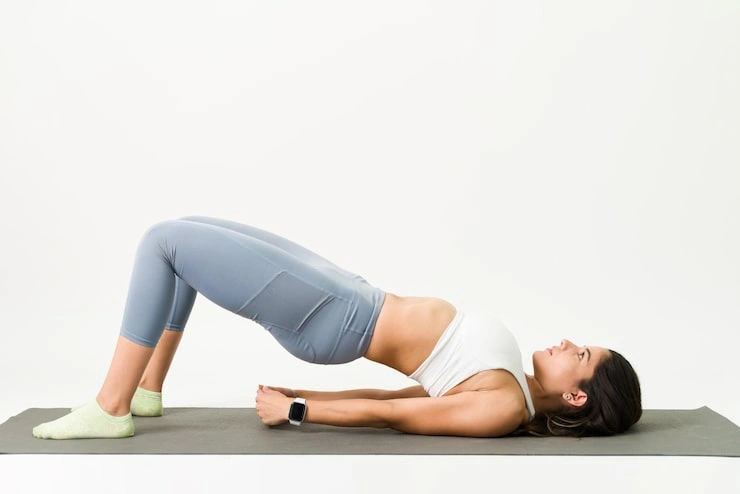
2. Bridge Pose
Bridge pose stretches the hips and the chest. It is good for people who hunch over a computer all day .
How to do it:
-
Lie on your back.
-
Bend your knees and put your feet on the floor.
-
Lift your hips up toward the ceiling.
-
Roll your shoulders in.
-
Clasp your hands together under your back.
-
Hold for a few breaths.
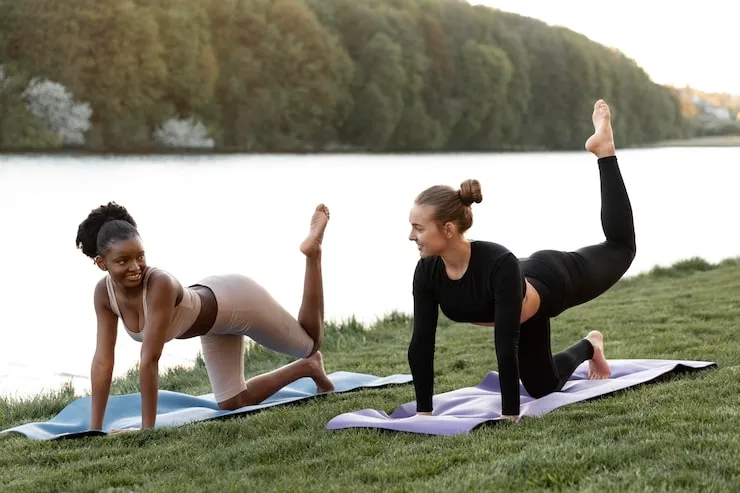
3. Frog Pose
This pose stretches the front of the hips and the inner thighs . It is good for beginners.
How to do it:
-
Start on your hands and knees.
-
Place your forearms on the floor. Keep yoga stretches for tight hips.
-
Spread your knees apart.
-
Your lower legs and feet stay flat on the floor.
-
Lower your pelvis toward the floor.
-
Feel the stretch across your hips and inner thighs.
You May Also Like: Top Lying Down Yoga Postures for Relaxation and Flexibility
4. Low Lunge
This pose stretches the hip flexors. Many people call it a runner's stretch .
How to do it:
-
Step your right foot forward.
-
Bend your right knee to 90 degrees.
-
Stretch your left leg back.
-
Rest your left knee on the floor.
-
Put a towel under the knee for cushioning.
-
Keep your chest upright.
-
Feel the stretch across the front of your left hip.
-
Repeat on the other side.
5. Lizard Pose
This pose is a deeper version of the low lunge .
How to do it:
- Start in low lunge.
- Move your front foot out to the side a little.
- Place your hands or forearms on the floor inside your front knee.
- Lift your back knee off the floor.
- Feel the stretch get deeper.
6. Reclined Pigeon Pose
This is a gentle way to stretch the outer hip. If full pigeon pose is too hard, start here .
How to do it:
- Lie on your back.
- Bend your knees and put your feet on the floor.
- Lift your left leg up.
- Rotate your hip outward.
- Rest your left foot on your right thigh, just below the knee.
- Bend at the hip and bring your legs toward your chest.
- Grasp your right leg and pull it forward.
- Feel the stretch on the outside of your left hip.
- Repeat on the other side.
7. Pigeon Pose
Pigeon pose is a classic hip opener. It targets the outer hip area . It can be intense, so go slowly.
How to do it:
- Start in downward facing dog. This is a pose with your hands and feet on the floor and your hips up.
- Bring your left leg forward.
- Bend your left knee so your lower leg is under your chest.
- Your lower leg is parallel to your shoulders.
- Lower your chest over your front leg.
- Stretch your arms out in front of you.
- Repeat on the other side.
How to Build a Hip Stretching Routine?
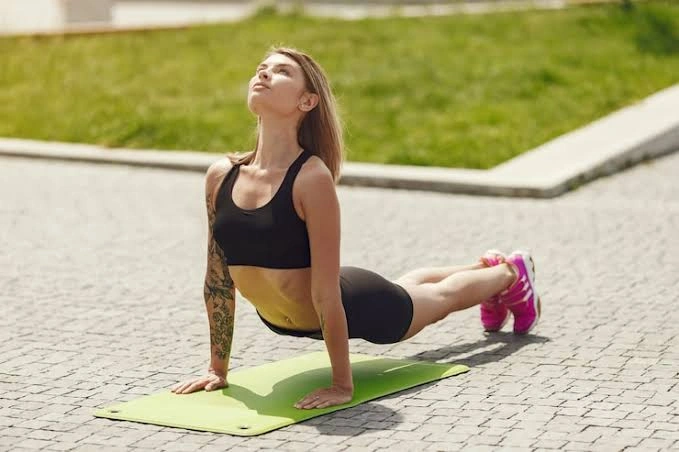
A routine helps you stay consistent. Start with 2 or 3 poses. Do them every day. As your hips open, add more poses.
Here is a sample routine:
- Reclined Bound Angle Pose – hold for 1 minute
- Low Lunge – hold for 1 minute on each side
- Reclined Pigeon Pose – hold for 1 minute on each side
- Pigeon Pose – hold for 1 minute on each side (if you are ready)
Do this routine 3 to 4 times a week. You will see progress over time. Be patient with your body. Some days will feel better than others.
Common Mistakes to Avoid
- Many people make mistakes when stretching their hips. Here are some to avoid:
- Going too fast. Your hips need time to open. Rushing leads to pain or injury. Move slowly and breathe.
- Pushing too hard. Stretching should feel like a gentle pull, not sharp pain. If it hurts, you have gone too far.
- Forgetting to breathe. Breathing helps muscles relax. If you hold your breath, your muscles stay tight.
- Skipping one side. Many people have one hip that is tighter. Stretch both sides equally. Pay extra attention to the tighter side.
The Role of Experience in Good Yoga Content
When you read about yoga, look for content from people with real experience. Google's quality guidelines value first-hand knowledge . This is part of E-E-A-T, which stands for Experience, Expertise, Authoritativeness, and Trustworthiness.
Good content on yoga comes from people who have done the poses . They understand the challenges. They know how stretches feel. They can give useful tips that come from practice, not just research.
This is important for you as a reader. A guide written by someone who does yoga will be more helpful. It will include details that a person who only reads about yoga would not know.
Beyond the Stretches: Other Ways to Help Tight Hips
- Stretching is the main way to help tight hips. But other things help too. These include:
- Strength exercises. Strong glutes help balance tight hip flexors. Adding glute bridges and other strength moves helps.
- Walking. Walking uses the hips in a natural way. It gets blood flowing and keeps the joints moving.
- Taking breaks from sitting. Stand up every 30 minutes. Walk around for a minute. This prevents the hips from getting too tight.
- Using a foam roller. Foam rolling releases muscle tension. It is like a deep massage for your hips.
Your Path to Happier Hips
Tight hips affect many parts of your life. They cause pain and limit movement. They make everyday tasks harder. But you can change this.
Yoga offers a clear path to open hips. The stretches in this guide target the muscles that get tight. Start with the easy poses. Work your way up. Be patient with yourself. With time and practice, your hips will feel better.
Remember to breathe during your stretches. Pay attention to your body. It will tell you how far to go. A consistent practice of 3 to 4 times a week makes a big difference.