Walking into a yoga studio for the first time takes courage. You do not know the people, the space, or what will happen once class begins. You may worry about looking silly or not being flexible enough. These feelings are normal.
The truth is simpler than you might think. Yoga is not a performance. It is a practice, and everyone in that room started exactly where you are right now.
This guide walks you through what actually happens in a first yoga class, from the moment you arrive to the way you might feel afterward. No fluff, no unrealistic promises. Just clear answers to help you feel ready.
What Should I Bring to My First Yoga Class?

Bring a water bottle, a small towel, and comfortable clothing you can move in. Most studios provide mats and props for free or a small rental fee. You do not need to buy expensive gear before your first class .
Arrive with an open mind and a willingness to try. That matters more than any piece of equipment.
Wear fitted clothing that stays in place when you bend forward or raise your arms. Loose shirts can flip over your head during certain poses . Leggings, shorts, and a fitted tank top work well. Yoga is practiced barefoot, so slip off your shoes and socks at the door .
If you tend to sweat, a small hand towel helps you grip your mat and wipe your face . A reusable water bottle keeps you hydrated. Some studios offer filtered water stations, so you can refill as needed .
Do not stress about what you do not have. Studios stock blocks, straps, and bolsters for students to use . If you are unsure about anything, just ask the teacher. They expect beginners and are happy to help.
Read Also: Understanding The Restorative Yoga Teacher Training
What Happens When You First Arrive at the Studio?
Arrive ten to fifteen minutes early. This gives you time to check in, meet the teacher, and find a spot without rushing .
When you walk in, tell the person at the front desk it is your first class. They will show you where to put your things, where the mats are, and where to set up . This small step removes most of the uncertainty.
You will likely leave your phone, keys, and bag in a cubby or a designated area. Keeping your phone on silent prevents distractions during class . Choose a spot in the room where you feel comfortable. Many beginners pick a place near the back so they can watch others if needed.
If you have any injuries or health conditions, let the teacher know before class starts. They can suggest modifications so you stay safe . This is not a sign of weakness. It is a smart way to take care of yourself.
What Happens During a Typical Yoga Class?
Most yoga classes follow a similar structure, even though each teacher has their own style .
Centering and breath work. Class usually begins with everyone sitting or lying down, eyes closed or soft. The teacher guides you through slow breathing. This helps you shift out of whatever you were doing before and arrive in the present moment . You are not doing anything fancy. You are just breathing.
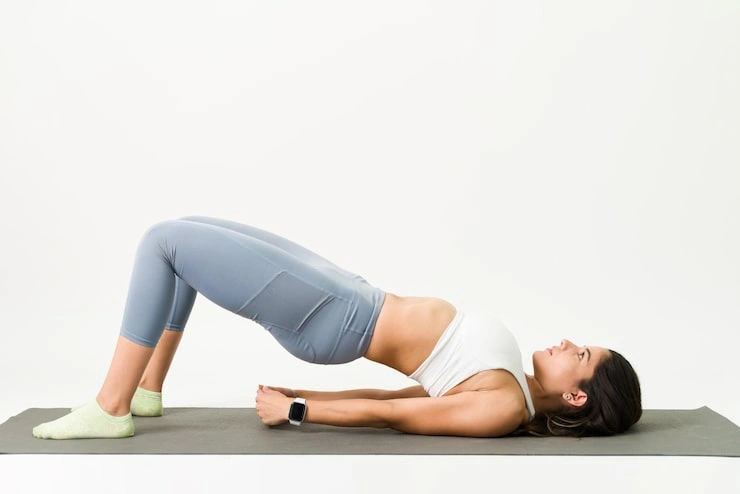
Warm-up movements. After the opening breath work, you move through gentle stretches. Think neck rolls, shoulder movements, or simple poses like Cat-Cow . The goal is to wake up your muscles and joints before more active postures. This part helps prevent soreness and prepares your body for what comes next.
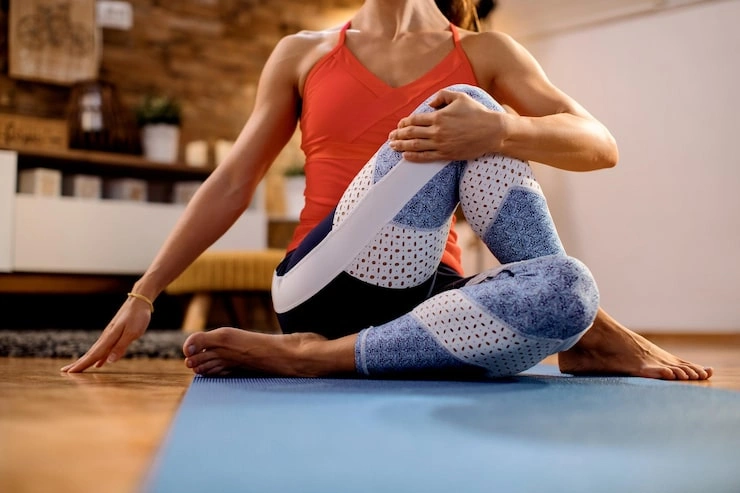
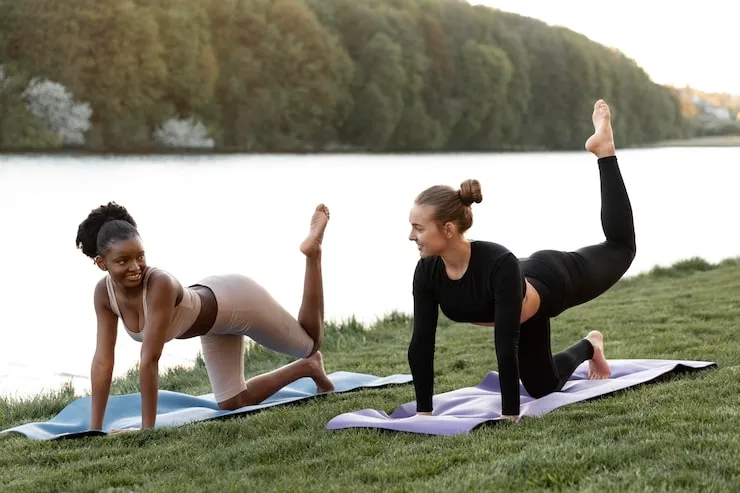
Standing and seated poses. The main portion of class includes a sequence of poses. You might stand, balance, fold forward, twist, or sit on the floor. The teacher demonstrates and describes each pose, often offering easier or harder versions . You choose what works for your body. If something feels wrong, you skip it or take a resting pose instead.
Cool down. Toward the end, the teacher slows things down. Movements become gentler. You might do some seated stretches or lie on your back .
Savasana. The final rest pose. You lie flat on your back, arms at your sides, eyes closed. The teacher may dim the lights. You do nothing except rest . This lasts several minutes. It is one of the most important parts of class, even though it looks like you are just lying there.
Many people find Savasana surprisingly difficult at first because they are not used to doing nothing. But it gives your body and mind time to absorb the practice. Some people even fall asleep, which is completely fine .
Do I Need to Be Flexible to Do Yoga?
No. Flexibility is not a requirement. It is something that develops with practice .
The idea that you must touch your toes or fold yourself into a pretzel before you can start yoga is a myth. Yoga meets you where you are. If you cannot reach your toes, you bend your knees or use a strap. If you cannot balance on one leg, you hold onto a wall. There is no shame in any of this.
You are the expert on your own body. The teacher offers guidance, but you decide what feels right . If a pose causes pain, you back off. If you need to rest, you rest. No one is watching or judging.
What If I Cannot Keep Up With the Class?
You do not need to keep up. Yoga is not a competition, and no one is keeping score .
Every body is different. Some days you will feel strong and steady. Other days you will feel tired or tight. Both are normal. The teacher will offer variations for each pose, so you always have options .
If you feel lost, focus on your breath. Breathing is the anchor of the practice. Even if you cannot follow every movement, you can always breathe . And if you need to stop and sit quietly for a moment, that is allowed.
What Should I Do If I Feel Nervous Before Class?

Feeling nervous is normal. Almost everyone feels some anxiety before their first yoga class .
One of the best things you can do is arrive early and talk to the teacher. Tell them it is your first time. Most teachers will keep an eye on you and offer extra guidance . Knowing someone in the room is on your side makes a real difference.
Another helpful tip: remind yourself that everyone in that room was once a beginner. The person next to you may have been practicing for years, but they remember their first class too. People are generally focused on their own practice, not on what you are doing .
You do not need to be perfect. You just need to show up.
You May Also Like: Top Lying Down Yoga Postures for Relaxation and Flexibility
What Happens After Class Ends?
After Savasana, the teacher may guide you to sit up slowly. Some classes end with a short chant or a final breathing exercise . Then class is over.
Take your time getting up. Drink some water. Notice how you feel.
Many people feel calm after their first class. Some feel energized. Others feel a quiet sense of relief. You might notice that your shoulders are looser or that your mind is quieter than when you walked in .
Some people feel emotional and are not sure why. That is normal too. Movement can release tension you did not know you were holding .
You might feel sore the next day, especially if you have not moved your body in this way before. That soreness usually passes within a day or two .
Frequently Asked Questions
What should I wear to my first yoga class?
Wear fitted, comfortable clothing that allows you to move freely. Leggings or shorts with a fitted top work well. Avoid very loose shirts that can shift during forward folds or inversions . Yoga is done barefoot.
Do I need to bring my own yoga mat?
Most studios provide mats for free or for a small rental fee. You do not need to buy a mat before your first class . If you prefer to bring your own, choose a non-slip mat around 3mm thick for good balance and cushioning .
What if I am not flexible?
Flexibility is not required. Yoga helps you build flexibility over time. The teacher will offer modifications so you can practice safely regardless of your current range of motion .
Should I eat before yoga class?
Eat light. Give yourself at least an hour after a full meal before practicing . A small snack like a banana or a handful of nuts about 30 minutes before class can give you energy without weighing you down.
What is Savasana and why is it important?
Savasana is the final resting pose. You lie on your back and relax completely for several minutes. It allows your body to integrate the movements and your mind to settle. Many teachers consider it the most important pose in class .
Can I leave early if I need to?
It is best to stay for the entire class, including Savasana. Leaving early disrupts the quiet atmosphere for others. If you must leave early, tell the teacher before class and sit near the door so you can slip out quietly .
Conclusion
Your first yoga class is not about doing everything right. It is about showing up and seeing what happens .
You do not need to be flexible. You do not need special clothes or expensive gear. You do not need to know the names of poses or understand Sanskrit. You just need to walk through the door.
The hardest part is getting there. Once you are on the mat, breathing with everyone else, something shifts. The nerves fade. The room feels less strange. And by the end, you may wonder why you waited so long to try.