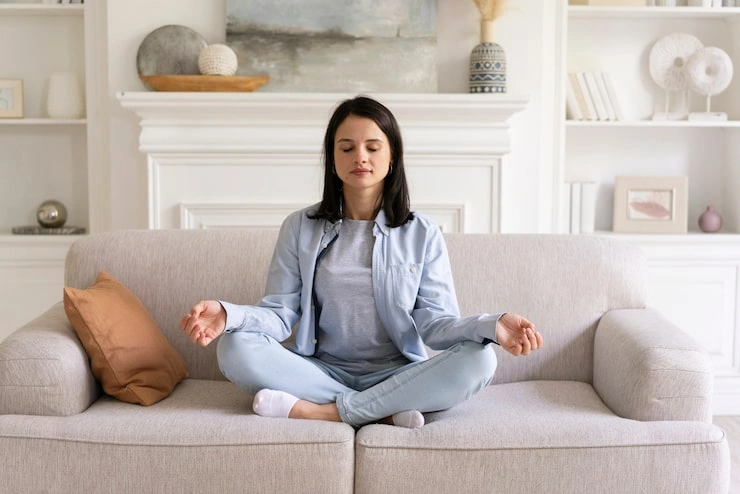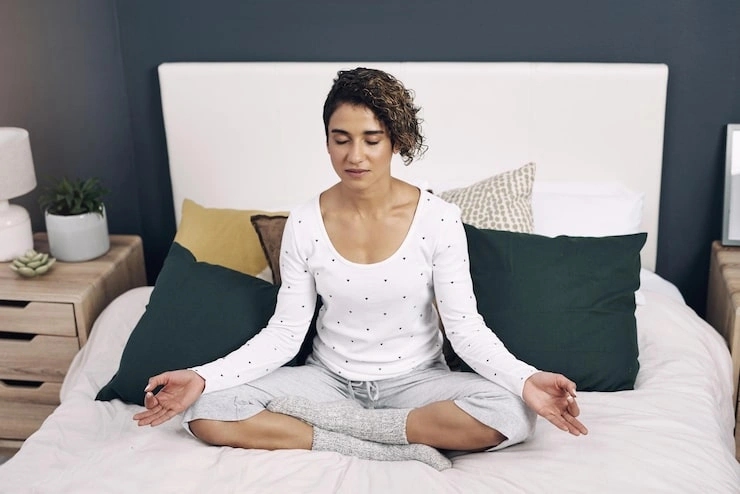
Do you lie in bed with your mind racing? You are not alone. Many people find that when they finally stop for the day, their worries get louder. This makes it hard to fall asleep. This article will show you simple meditation methods to calm your mind and get good rest. You will learn why anxiety spikes at night and how to use basic meditation to fix it.
Why Anxiety Gets Worse at Night?
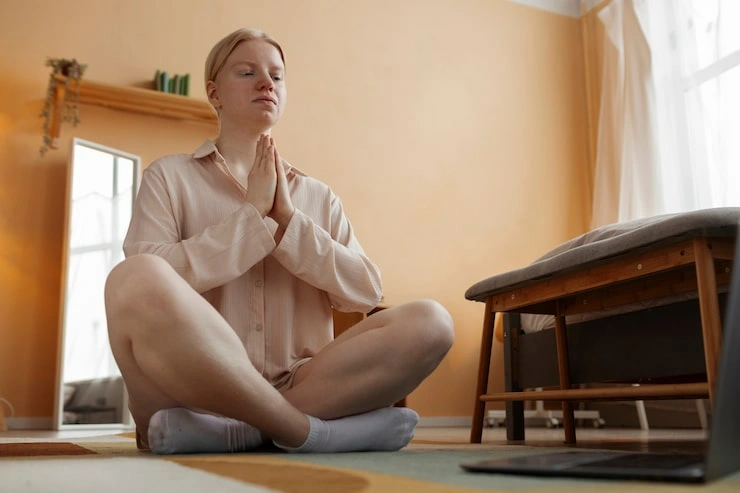
During the day, you are busy. Your mind is on work, family, and chores. When you get into bed, all that noise stops. Suddenly, your brain has space to think. This is when worries come forward .
Your body also plays a part. When you are stressed, your body makes a hormone called cortisol. This hormone keeps you awake and alert. At night, your body should make less of it. But if you have anxiety, your cortisol levels may stay high. This is why you feel wired when you should be tired .
The bedroom can become a place of stress. Your brain starts to link your bed with worry. This makes it even harder to relax. You may start to dread bedtime. This is a cycle. Anxiety keeps you awake. Being tired makes anxiety worse. Meditation helps break this cycle. It tells your body it is safe and time to rest .
Read Also: Meditation Routine For Beginners At Home
What is Meditation for Sleep?
Meditation for sleep is not about emptying your mind. It is about focusing your attention on one thing. This could be your breath, your body, or a calming image . By doing this, you give your mind a break from the noise of meditation for anxiety before bedtime.
This kind of meditation uses your breath to calm your nervous system. Deep, slow breaths tell your brain that you are safe. This lowers your heart rate and releases muscle tension . It is a simple way to move your body from alert mode to rest mode.
You do not need any special skills to do this. You do not need to sit in a certain way. You can do it right in your bed . The goal is not to try hard. The goal is to let go and just be.
Simple Meditation Steps for Bedtime
Here is a simple practice you can do tonight. Find a comfortable position in your bed. You can lie on your back or on your side. Do what feels best for you. Close your eyes gently.
Step 1: Breathe Deeply
Start by taking three deep breaths. Breathe in slowly through your nose. Fill your lungs with air. Breathe out slowly through your mouth. Let go of any tension you feel. After these three breaths, let your breathing go back to normal. Just watch your breath go in and out.
Step 2: Scan Your Body
Bring your focus to your body. Start with your feet. Notice how they feel. Are they tense? Let them relax. Then move up to your legs. Let them go loose. Move to your hips and belly. Just let them be soft .
Next, bring your attention to your hands and arms. Let the weight of them sink into the bed. Move to your shoulders and neck. This is where we hold a lot of stress. Let your shoulders drop down. Feel your jaw. Let it go slack.
Finally, notice your face. Relax your forehead and the skin around your eyes. The idea is to check in with each part of your body. You are not trying to change anything. You are just noticing and letting go .
Step 3: Use a Calming Image
Now that your body is relaxed, bring an image to mind. Think of a place that makes you feel calm. It could be a quiet beach. It could be a forest or a field. Picture yourself there. Notice what you see. What do you hear? What do you feel? Let this image fill your mind .
If your mind wanders, that is okay. It is what minds do. Just bring your attention back to your breath or your calming image. Be kind to yourself. Do not get upset about it. Just start again. This is the practice.
Step 4: Let the Body Rest
After a few minutes, let the image fade. Just rest in the feeling of your body on the bed. Let yourself be heavy and supported. You can stay here as long as you like. If you feel sleepy, just let yourself drift off. This is the goal.
What to Do When Your Mind Won't Stop?
Your mind will wander. This is a fact. You might be counting your breaths and then suddenly remember a work email. This is normal. Do not see it as failure. It is part of the process.
When you notice your mind has wandered, simply return to your breath. Do not judge yourself. Do not get angry. Just gently guide your attention back. Some nights you will do this many times. Other nights it will be easy. Both are fine.
If worries feel very strong, you can name them. Say to yourself, "I am having a worried thought." This gives you some distance from it. You are not the thought. You are just the person noticing the thought. This can make it lose some of its power .
You May Also Like: Best Meditation Apps for Stress and Anxiety
Adding This to Your Routine

To get the most from this, try to practice every night. Even five minutes can make a big difference. You are teaching your brain a new habit. At first, it may feel strange. But over time, it gets easier. Your brain learns that when you start this practice, it is time for meditation for anxiety before bedtime.
Make your bedroom a calm space. Keep it cool and dark. Put away your phone. The blue light from phones tells your brain to stay awake. Try to do your meditation without any screens .
You can combine this with other relaxation techniques. Some people like to drink herbal tea. Others like to take a warm bath. Do what feels right for you. The main thing is to be consistent.
When to Get More Help?
Meditation is a great tool. But it is not a fix for everything. If you have anxiety that is very bad, or if it does not get better, please talk to a doctor. Therapy and medication are also very helpful tools. There is no shame in asking for help. Use the tools that work best for you .
Final Thoughts
Bedtime anxiety is hard. It can make you feel like you are fighting a battle every night. But you do not have to fight. You can learn to be at rest. Meditation is a way to invite peace into your bedtime. It is a simple practice that anyone can do. It starts with one breath. Then another. Before you know it, you are asleep.