If you are new to cooking and want to eat more protein, start with meals that use five ingredients or fewer and require only one pan or bowl. The easiest options are egg muffins, Greek yogurt bowls, tuna rice bowls, and chicken wraps. You do not need a complicated plan. You need a few reliable recipes you can repeat until you feel confident .
Why Protein Matters (And Why Beginners Overcomplicate It)
Most people who want to eat more protein make the same mistake. They look at meal prep plans with twenty ingredients, buy a bunch of powders and specialty products, and then feel overwhelmed by Wednesday. The food goes bad. The containers sit in the fridge. The whole thing feels like a failure.
It does not have to work that easy high protein meals for beginners.
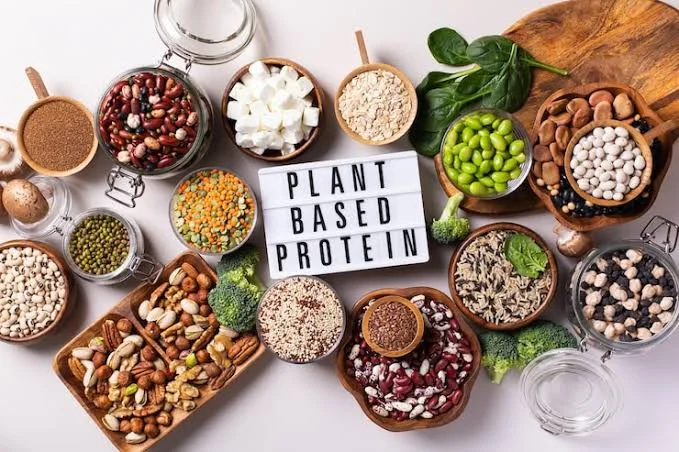
Protein is simple. It keeps you full. It helps your body repair itself. You can get plenty of it from ordinary grocery store food: eggs, canned tuna, chicken, Greek yogurt, beans, and cottage cheese . You do not need a supplement to hit a reasonable protein target. You need a few meals you can make without thinking too hard.
This guide is for the person who can boil water but does not want to julienne vegetables. Every meal here uses basic ingredients. Every instruction assumes you have a single pan, a bowl, and maybe a microwave. That is easy high protein meals for beginners.
Read Also: Nutrition Coaching Programs: Cost vs Benefits
The Starter Grocery List (Buy These First)
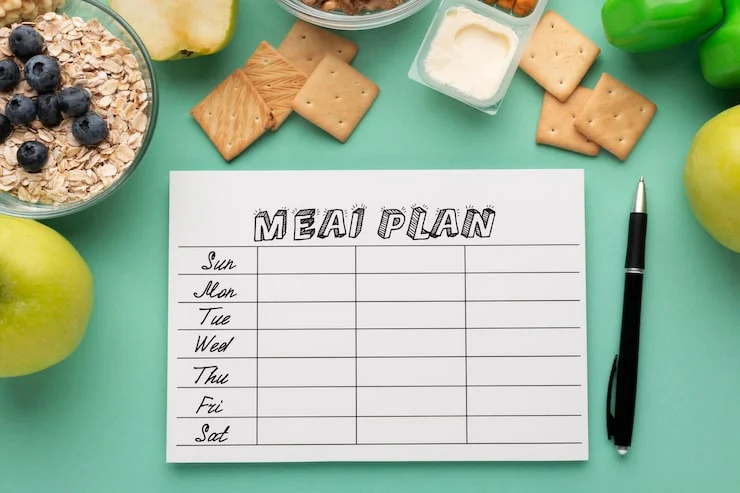
Before you look at recipes, look at this list. These items cover almost every meal in this article. They keep well. They are cheap. They are forgiving if you forget about them for a few days .
Proteins:
-
Eggs (a dozen)
-
Canned tuna or salmon (two or three cans)
-
Chicken breast or rotisserie chicken
-
Plain Greek yogurt (a large tub)
-
Cottage cheese (optional, but useful)
-
Canned beans (black beans, chickpeas, or white beans)
Base and filler:
-
Microwavable brown rice pouches (faster than cooking rice from scratch)
-
Tortillas (flour or whole wheat)
-
Oats
Vegetables and flavor:
-
Frozen mixed vegetables (peas, corn, carrots)
-
A bag of spinach or lettuce
-
Hummus
-
Olive oil, salt, pepper, garlic powder
That list is not exciting. It is not meant to be. It is meant to work.
Breakfast: Three Meals You Can Make Half Awake
Egg Muffin Cups
These are the single best beginner protein breakfast. You mix eggs with whatever vegetables and cheese you have, pour the mixture into a muffin tin, and bake it. That is the whole process. They keep in the fridge for several days, and you can reheat one in thirty seconds .
The basic formula: eight eggs, a splash of milk if you have it, a cup of chopped vegetables (frozen peppers work fine), and a handful of shredded cheese. Whisk it together. Pour it into a greased muffin tin. Bake at 350°F for about twenty minutes. You will know they are done when they puff up and feel firm in the middle.
One batch makes ten to twelve cups. That is your breakfast for most of the week.
Greek Yogurt Bowl
This is not really a recipe. It is an assembly. Put a cup of plain Greek yogurt in a bowl. Add a spoonful of peanut butter. Add berries if you have them. Add a drizzle of honey if you want it sweeter. The whole thing takes two minutes and gives you around twenty grams of easy high protein meals for beginners.
The mistake beginners make here is buying flavored yogurt. Flavored yogurt has sugar and often less protein. Plain Greek yogurt tastes sharp at first, but once you add peanut butter and fruit, it evens out.
Scrambled Eggs with Cottage Cheese
This sounds strange until you try it. Whisk two eggs with half a cup of cottage cheese. Cook it in a pan with a little oil, just like normal scrambled eggs. The cottage cheese melts into the eggs and makes them fluffy. It also adds protein without changing the taste much .
If you are tired of plain eggs, this is the easiest way to make them interesting again.
You May Also Like: Nutrition Supplements: Benefits and Side Effects
Lunch: Meals That Travel Well
Tuna and Rice Bowl
Open a can of tuna. Drain it. Put it on top of a cup of warm microwave rice. Add chopped cucumber, tomato, or whatever crunchy vegetable you have. Drizzle olive oil on top. Add salt, pepper, and garlic powder. Stir it together .
This meal takes five minutes. It costs less than two dollars. It gives you over thirty grams of protein. It is not fancy. It works.
Chicken and Hummus Wrap
Buy a rotisserie chicken from the store. Pull the meat off the bones. That meat will last in your fridge for several days and can go into almost anything.
For the wrap: spread hummus on a tortilla. Add a handful of chicken. Add lettuce or spinach. Roll it up . That is lunch. If you want to make it ahead, wrap it tightly in foil and keep it in the fridge. It holds up fine for a day or two.
Mediterranean Lentil Bowl
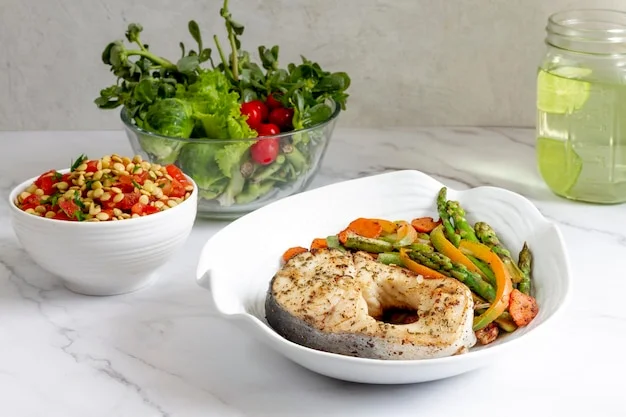
This one requires a little more effort, but it is still beginner-level. Cook lentils according to the package (or buy canned lentils and rinse them). Mix the lentils with chopped cucumber, bell pepper, and feta cheese. Dress it with olive oil, salt, and pepper .
Lentils are cheap and filling. A bag costs a couple of dollars and makes several servings. This bowl tastes good cold, which makes it a good option for easy high protein meals for beginners.
Dinner: One Pan, Minimal Cleanup
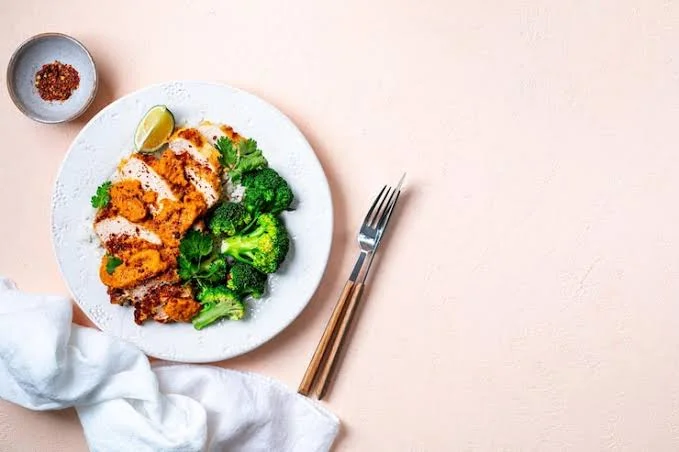
Sheet Pan Chicken and Vegetables
Put chicken pieces and chopped vegetables on a sheet pan. Drizzle everything with olive oil. Sprinkle salt, pepper, and garlic powder. Bake at 400°F until the chicken is cooked through, usually twenty to twenty-five minutes depending on thickness.
That is the entire recipe. You can use broccoli, bell peppers, zucchini, or frozen mixed vegetables. The chicken releases juice as it cooks, which flavors the vegetables. Cleanup is one pan.
Tuna Stuffed Peppers
Cut a bell pepper in half. Scoop out the seeds. Mix a can of drained tuna with a spoonful of mayonnaise or Greek yogurt, some salt, and pepper. Spoon the tuna into the pepper halves. Top with shredded cheese if you want. Bake at 375°F for about fifteen minutes, until the pepper softens and the cheese melts .
This looks like you tried harder than you did. It also reheats well.
Chicken Quesadilla
This one comes from a real person who used it to gain weight on a budget, and it is genuinely useful for beginners . Shred some cooked chicken. Put it on half of a tortilla. Add cheese and cooked peppers or onions if you have them. Fold the tortilla over. Cook it in a dry pan over medium heat until both sides are golden and the cheese melts.
One quesadilla takes about five minutes. You can make five or six at once and keep them in the fridge for the week.
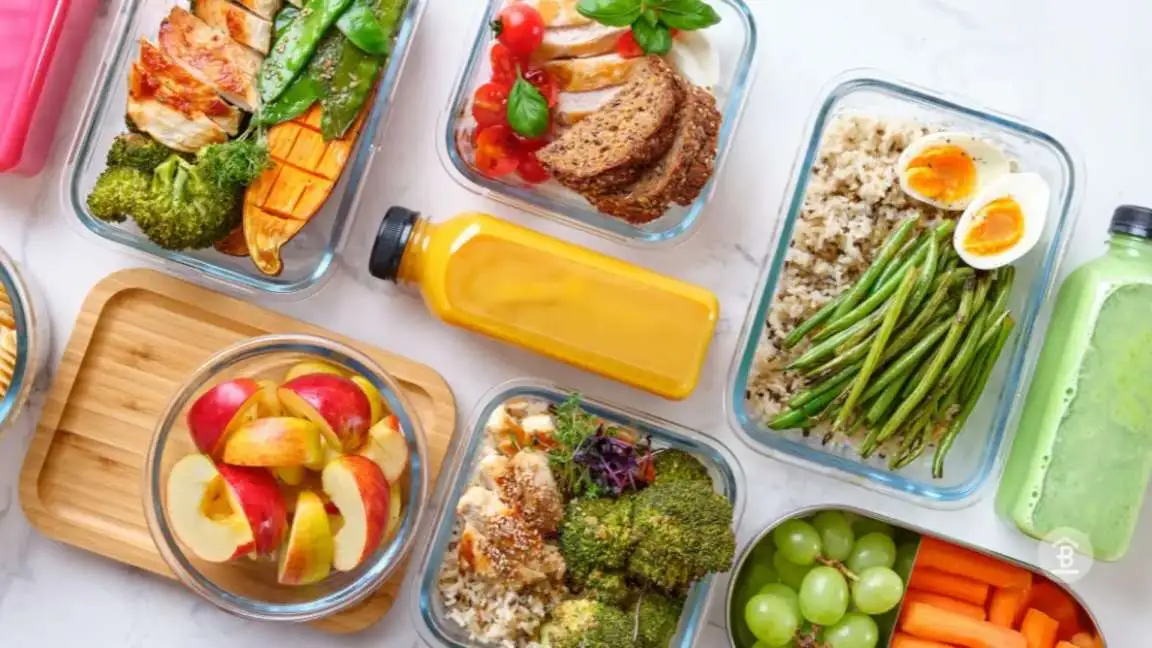
The Three-Day Rule (Why You Should Not Prep for a Full Week)
Beginners often try to cook for seven days at once. This is a mistake for two reasons. First, it takes hours, and you will resent the time. Second, most cooked food does not stay good in the fridge for a full week. The United States Department of Agriculture advises using refrigerated leftovers within three to four days .
A three-day plan is more realistic. Cook on Sunday for Monday, Tuesday, and Wednesday. Cook again on Wednesday for Thursday and Friday. This keeps your food fresher and your effort lower.
Here is what a three-day prep looks like:
Sunday:
-
Make a batch of egg muffins for breakfasts.
-
Cook a pot of rice or open two microwave pouches.
-
Bake chicken or cook it in a pan.
-
Chop some vegetables.
Monday through Wednesday:
-
Breakfast: egg muffins.
-
Lunch: chicken and rice bowls with different sauces or vegetables each day.
-
Dinner: use the cooked chicken in quesadillas, wraps, or on top of a salad.
Wednesday evening:
-
Repeat the same process with a different protein. Use ground turkey or canned tuna or beans. Change the flavor with a different sauce or seasoning.
This rhythm gives you variety without requiring you to cook every day. It also means you are not eating the same meal five times in a row, which is the fastest way to get tired of meal prep.
What About Protein Powder?
You do not need it. Protein powder is convenient, but it is not magic. A scoop adds protein to a smoothie or oats, but you can get the same amount from a cup of Greek yogurt or two eggs .
If you already have protein powder and you like the taste, use it. If you do not have it, do not buy it for this. Spend that money on chicken and eggs instead.
Frequently Asked Questions
How much protein should I eat per meal?
A common target is twenty to thirty grams per meal. One cup of Greek yogurt has about twenty grams. A can of tuna has about twenty-five. A chicken breast has thirty to forty depending on size. You do not need to count every gram. Just aim to include a protein source in every meal.
Can I make these meals without a stove?
Yes. Many of them work with a microwave alone. Egg muffins require an oven, but you can make scrambled eggs in a microwave-safe bowl. Rice pouches are microwavable. Tuna bowls and yogurt bowls need no cooking at all. If you have only a microwave, focus on those.
What if I get bored of eating the same thing?
Change the sauce, not the protein. Cooked chicken with hummus and lettuce in a wrap tastes different from cooked chicken with salsa and cheese on a plate. The base stays the same. The flavor changes. This is the easiest way to keep meals interesting without cooking something new every day.
Is this cheaper than eating out?
Almost always. A can of tuna costs about a dollar. A bag of rice costs two or three dollars and makes several servings. Eggs are one of the cheapest protein sources available. The meals in this guide cost a few dollars per serving at most. Compare that to a fast food meal or a takeout bowl, and the savings add up quickly.