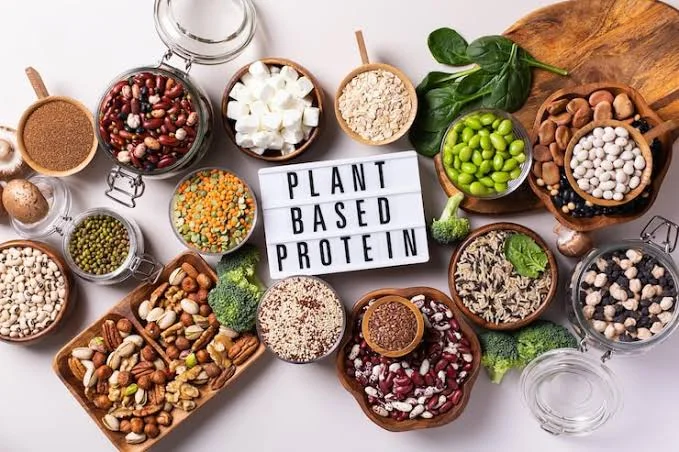
Getting enough protein on a plant-based diet is easier than most people think. You do not need powders, fake meats, or complicated meal plans. Regular foods from the grocery store can cover your daily needs just fine.
The key is knowing which foods actually deliver protein and how to use them in meals you already enjoy. This guide walks you through the basics without the confusing nutrition talk.
How Much Protein Do You Need?
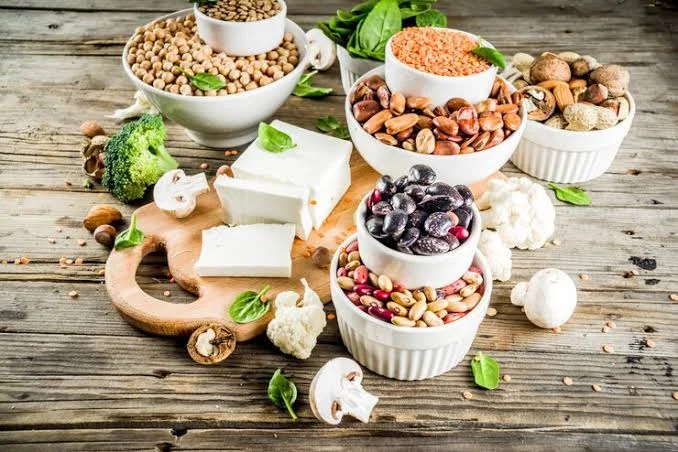
Most adults need about 0.36 grams of protein per pound of body weight each day. For a 150-pound person, that works out to roughly 54 grams. Active people and older adults may need more, sometimes up to 0.9 grams per pound.
If that sounds like a lot, relax. A single cup of cooked lentils gives you 18 grams. A block of firm tofu can push you past 30 grams. These numbers add up faster than you would expect.
You do not need to hit the exact target every single day. Aim for a source of protein at each meal. Your body handles the rest.
Why Plant Protein Works?
Some people worry that plants do not have "complete" protein. That concern gets overblown. Eating a variety of plant foods throughout the day gives your body all the amino acids it needs plant based protein sources for beginners.
Beans with rice. Hummus with whole wheat pita. Peanut butter on toast. These everyday combinations cover the gaps without any planning.
Plant proteins also come with fiber, vitamins, and minerals that animal proteins do not have. That is a bonus, not a drawback.
Read Also: Nutrition Coaching Programs: Cost vs Benefits
The Best Plant-Based Protein Sources for Beginners
Lentils
Protein: About 18 grams per cooked cup
Lentils are the quiet workhorse of plant protein. They cook in 20 minutes, cost almost nothing, and take on whatever flavor you add.
Toss them in soups. Mix them into pasta sauce. Use them as a base for salads. Red lentils break down into a thick, creamy texture that works well in curries and stews. Green and brown lentils hold their shape better for salads and side dishes.
If you are new to cooking with lentils, start with canned ones. Rinse them well and you are ready to go.
Chickpeas
Protein: About 14.5 grams per cooked cup
Chickpeas are everywhere once you start looking. Hummus is the obvious one, but that is just the beginning.
Roast them with olive oil and spices for a crunchy snack. Add them to salads for bulk and texture. Mash them into a sandwich filling that replaces tuna or chicken salad. They also work well in soups and stews.
Canned chickpeas are just as good as dried for most uses. Keep a few cans in your pantry.
Tofu
Protein: About 11 grams per half cup
Tofu gets a bad reputation from people who have only had it prepared poorly. Done right, it is one of the most flexible foods in your kitchen.
Firm tofu works as a meat substitute in stir-fries, scrambles, and grain bowls. Silken tofu blends into smoothies, soups, and desserts. Press firm tofu before cooking to remove excess water. Then cube it, toss it in cornstarch, and pan-fry until golden. The texture becomes crispy on the outside and soft inside.
Tofu takes on whatever sauce you pair it with. Soy sauce, garlic, ginger, peanut sauce. Pick your favorite.
Tempeh
Protein: About 20 grams per three-quarter cup
Tempeh is made from fermented soybeans. The fermentation gives it a nutty flavor and a firm, chewy texture that holds up well in sandwiches and stir-fries.
Because it is fermented, tempeh is easier to digest than some other soy products. It also has more protein and fiber than tofu.
Slice it thin and pan-fry with a little oil until browned. Add it to a sandwich with avocado and tomato. Crumble it into chili or tacos. The firm texture makes it a satisfying swap for ground meat.
Black Beans
Protein: About 9 grams per cooked cup
Black beans are a staple for a reason. They are cheap, filling, and loaded with fiber on top of protein.
A can of black beans can become a quick dinner. Rinse them, heat them with cumin and chili powder, and serve over rice. Mash them into a veggie burger. Add them to quesadillas. Toss them in a salad with corn and lime.
The fiber in black beans keeps you full longer than many other protein sources. That makes them a smart choice if you are watching your appetite.
Edamame
Protein: About 13.5 grams per cup
Edamame are young soybeans still in the pod. You steam them, sprinkle on salt, and eat the beans straight from the shell.
They make a perfect snack. They also work as a salad topping or a side dish for stir-fries. You can find them frozen in most grocery stores, which means you always have a protein source ready in about five minutes.
Edamame are rich in folate, magnesium, and potassium along with protein. A bowl of them after a workout covers a lot of ground.
Pumpkin Seeds
Protein: About 9 grams per ounce
Pumpkin seeds, also called pepitas, are a simple way to add protein to almost anything. Sprinkle them on yogurt, oatmeal, salads, or roasted vegetables.
They have a mild, nutty flavor that does not overwhelm other ingredients. A handful as a snack takes the edge off hunger between meals.
Pumpkin seeds also contain magnesium and zinc, two minerals that many people do not get enough of.
Chia Seeds
Protein: About 5 grams per two tablespoons
Chia seeds are tiny but they pack a punch. They contain all the amino acids your body needs, plus fiber and omega-3 fats.
When you soak chia seeds in liquid, they form a gel. That makes them perfect for pudding. Mix two tablespoons of chia with a cup of plant milk, add a little sweetener, and let it sit overnight. In the morning, you have a protein-rich breakfast waiting.
You can also stir chia seeds into smoothies, yogurt, or oatmeal. They do not change the taste plant based protein sources for beginners.
Quinoa
Protein: About 8 grams per cooked cup
Quinoa is a seed that cooks like a grain. It has a light, fluffy texture and a mild flavor that works in both sweet and savory dishes.
Use it as a base for grain bowls. Swap it for rice in stir-fries. Add it to soups. Cook it in plant milk with cinnamon and fruit for a warm breakfast cereal.
Quinoa is one of the few plant foods that contains all nine essential amino acids on its own. That makes it a reliable protein source even when you are not combining it with other foods.
Soy Milk
Protein: About 8 grams per cup
Not all plant milks are equal when it comes to protein. Almond milk has about one gram per cup. Oat milk has about three. Soy milk has eight.
That puts soy milk on par with dairy milk for protein. Use it in coffee, pour it over cereal, blend it into smoothies, or drink it on its own.
If you are switching from dairy, soy milk is the closest match for protein content. It also works well in cooking and baking.
Peanuts and Peanut Butter
Protein: About 25 grams per 100 grams of peanuts
Peanuts are technically legumes, not nuts. But whatever you call them, they deliver protein.
A tablespoon of peanut butter has about 4 grams of protein. Spread it on whole wheat toast, stir it into oatmeal, or blend it into a smoothie. Peanuts on their own make a filling snack.
The fat and protein together in peanut butter help keep you satisfied. That makes it a useful tool if you are trying to cut back on mindless snacking.
Hemp Seeds
Protein: About 10 grams per three tablespoons
Hemp seeds have a soft, nutty taste and a texture that blends into almost anything. Sprinkle them on salads, yogurt, or avocado toast. Stir them into smoothies or oatmeal.
Like chia and quinoa, hemp seeds contain all essential amino acids. They are also rich in omega-3 and omega-6 fats that support heart health.
You do not need to cook hemp seeds. Just keep a bag in the fridge and add a spoonful wherever you want a protein boost.
Green Peas
Protein: About 8 grams per cooked cup
Peas are not just a side dish. A cup of green peas has almost as much protein as a cup of milk.
Add frozen peas to soups, stews, and pasta dishes. They thaw in minutes and need no prep. Toss them into rice or quinoa for extra protein and color.
Peas also work well in salads. Thaw them under running water, then mix with mint, olive oil, and a squeeze of lemon.
You May Also Like: Are Nutrition Supplements Safe for Daily Use?
How to Add Plant Proteins to Your Day?
You do not need to rebuild your whole diet. Small changes add up.
At breakfast: Stir peanut butter or hemp seeds into oatmeal. Blend silken tofu into a smoothie. Top toast with mashed chickpeas instead of butter.
At lunch: Add a scoop of lentils to your soup. Crumble tempeh into a wrap. Toss black beans into a salad.
At dinner: Swap half the meat in a stir-fry for tofu. Serve chili with extra beans. Add edamame to a rice bowl.
For snacks: Keep roasted chickpeas or pumpkin seeds on hand. Make chia pudding in small jars. Eat edamame straight from the pod.
The goal is not perfection. It is consistency. Pick two or three of these habits and work them into your routine.
Common Mistakes Beginners Make
Not eating enough. Plant foods have fewer calories per bite than meat. You may need larger portions or more frequent meals to hit your protein target.
Relying on one source. Eating only beans every day gets boring and limits your nutrients. Mix it up.
Forgetting about fiber. Plant proteins come with fiber. That is good for you, but if you jump from low-fiber to high-fiber overnight, your stomach may complain. Increase slowly.
Skipping meals. Plant protein digests differently than animal protein. Eating regularly helps you stay on track.
Frequently Asked Questions
How much protein do I need on a plant-based diet?
Most adults need about 0.36 grams per pound of body weight daily. A 150-pound person needs around 54 grams. Active people and older adults may need more.
Can I get complete protein from plants?
Yes. Eating a variety of plant foods throughout the day provides all essential amino acids. You do not need to combine specific foods at every meal.
What is the highest protein plant food?
Seitan has the most protein per serving, around 22 grams per three-quarter cup. Lentils, tempeh, and tofu are also excellent sources.
Do I need protein powder?
No. Whole foods can meet your protein needs. Protein powder is convenient but not necessary.
How do I start eating more plant protein?
Pick one meal per day and add a plant protein to it. Once that feels normal, add another. Small steps work better than big changes.
Conclusion
Plant-based protein does not have to be complicated. Lentils, beans, tofu, tempeh, and seeds can cover your daily needs without much effort. Start with one or two foods from this list. Use them in meals you already eat. Build from there.