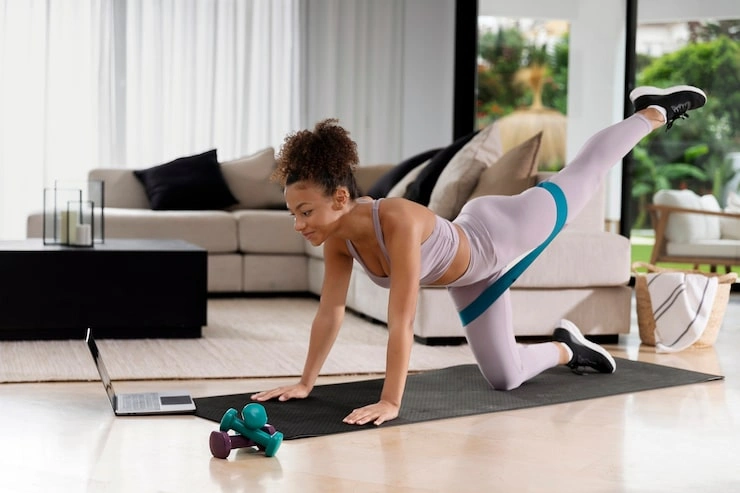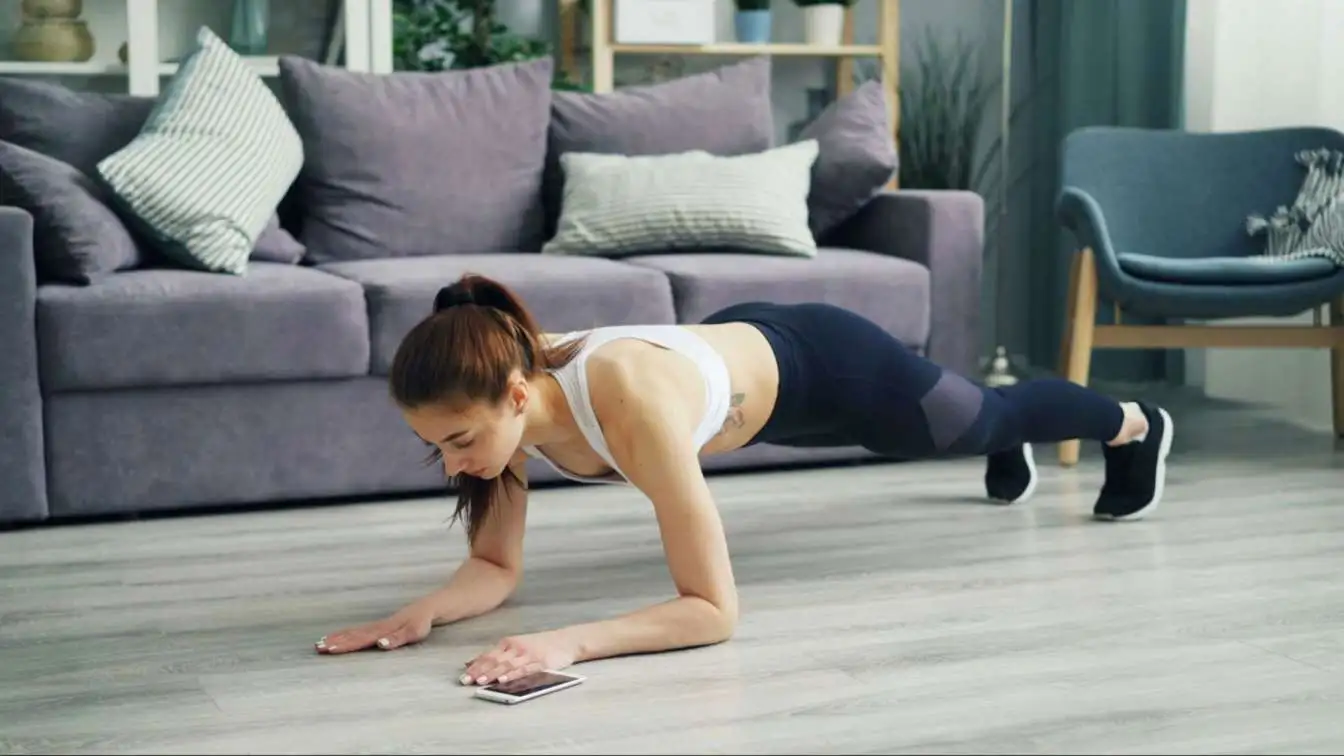
Turning forty changes things. You notice it in small ways. Getting up from the floor takes more effort. Carrying groceries feels heavier. Your knees ache after a long walk. These changes creep up slowly. You might think this is normal aging. And yes, some decline is natural. But here is what most women do not know.
You do not have to accept these changes. Your body responds to what you ask of it. If you ask it to sit still, it gets weaker. If you ask it to work, it gets stronger. This is true at forty. This is true at sixty. This is true at eighty.
The science behind this is simple. Your muscles shrink with age. They lose density. They lose power. This starts happening around thirty. By forty, the process speeds up. Women notice it more than men. Hormones play a role here. Estrogen drops during perimenopause. This affects your muscles and strength training routine for women over 40.
Bone health matters greatly. Estrogen protects your bones. When estrogen levels fall, bones become fragile. They lose minerals. They become less dense. This leads to breaks and fractures. Hip fractures are common in older women. They can change your life completely.
But strength training changes this picture. When you lift weights, your bones sense the pressure. They respond by building more tissue. They become denser. This process happens at any age. Your bones are living tissue. They adapt just like your muscles.
Your metabolism also changes at forty. You might notice weight gain. You might see your waistline expanding. This happens because muscle burns calories. Muscle is metabolically active tissue. When you lose muscle, you burn fewer calories. Even if you eat the same food, you gain weight.
Strength training reverses this. Building muscle increases your resting metabolism. You burn more calories all day long. Even while you sleep. Even while you watch television. This makes weight management easier.
Your joints benefit too. Strong muscles support your joints. They take pressure off cartilage. They reduce inflammation. Many women find their joint pain decreases. Their backs hurt less. Their knees feel better.
There is another benefit women rarely discuss. Strength training builds confidence. You feel capable. You feel powerful. You feel less anxious. There is something empowering about lifting weight. About seeing yourself get stronger. About doing things you could not do before.
Read Also: Back Workout At Home Without Equipment For Female
Before You Pick Up Weights
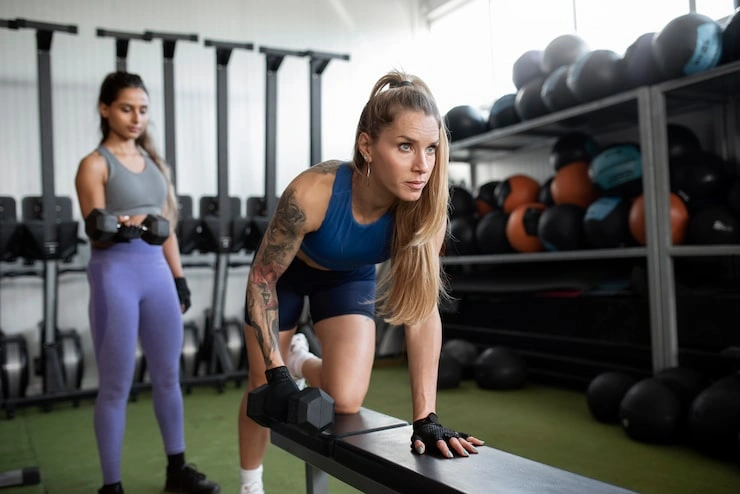
Talk to your doctor. This is the first step. Your doctor knows your health history. They can check your blood pressure. They can check your heart. They can identify any problems. This is not being overly cautious. This is being smart.
You do not need expensive equipment. You do not need a gym membership. A set of dumbbells costs little. Start with five pounds. If you cannot find five pounds, start with three. Resistance bands are even cheaper. They work just as well for beginners.
Pick a space in your home. It should be clear of furniture. You need room to extend your arms. You need room to lie down. A mat helps for floor exercises. But you can also use a towel.
Wear clothes that let you move. Tight clothes restrict your range of motion. Loose clothes get in the way. Find something comfortable. Your shoes matter too. Flat soles give you stability. Running shoes are not ideal. They have cushioned heels. This affects your balance.
Warm up before every workout. This is non negotiable. Your muscles need blood flow. Your joints need lubrication. A proper warmup reduces injury risk. Walk around your home for five minutes. Swing your arms in circles. Move your neck gently. Rotate your hips. Do some knee lifts.
Do not stretch cold muscles. Stretching before warming up does nothing. It can actually cause injury. Save stretching for after your workout. When your muscles are warm.
Start slowly. Do one workout in your first week. This builds the habit. Doing too much too soon leads to burnout. It leads to soreness. It leads to quitting. Build slowly and steadily.
How to Structure Your Workout
You will work out three times per week. Space these workouts out. Do Monday, Wednesday, Friday. Or do Tuesday, Thursday, Saturday. Give yourself rest days in between.
Each workout lasts about thirty minutes. This includes your warmup. This includes your cooldown. You are busy. You have a full life. Thirty minutes fits into your schedule.
You will do eight exercises. These cover your whole body. Your legs. Your back. Your chest. Your arms. Your core. This balance matters. Working one part while ignoring others creates problems. It leads to poor posture. It leads to muscle imbalances. It leads to injury.
Your first few weeks are about learning. Use light weights. Focus on how you move. Good form matters more than heavy weight. You can always add weight later. You cannot undo a bad habit.
Listen to your body. This advice seems simple. But many women ignore it. They push through pain. They think no pain means no gain. This is wrong. Sharp pain means stop. Dull muscle soreness is okay. Joint pain is not.
The Exercises You Will Do
Squats
Place your feet shoulder width apart. Point your toes slightly outward. Keep your chest lifted. Look straight ahead. Now sit back like you are reaching for a chair. Push your hips backward. Lower your body down. Go as low as you can without rounding your back.
When you reach the bottom, push through your heels. Stand back up. Squeeze your buttocks at the top. This completes one rep.
Do twelve reps. Rest one minute. Do twelve more. Rest one minute. Do twelve more. That is three sets.
This exercise teaches your body to sit and stand. This movement happens all day. Strong legs make this easier. You get up from chairs with less effort. You climb stairs without getting breathless.
Pushups Against the Wall
Stand two feet from a wall. Place your palms on the wall. Your hands should be shoulder width apart. Your feet stay flat on the floor.
Bend your elbows slowly. Lean your body toward the wall. Keep your back straight. Do not let your hips sag. Bring your chest close to the wall. Push back to start.
If this feels too easy, move your feet further back. If this feels too hard, move your feet closer. Find the distance that works for you.
Do twelve reps. Rest one minute. Do twelve more. Rest one minute. Do twelve more.
This builds your chest muscles. It builds your shoulder muscles. It builds your arm muscles. Strong arms help you push heavy doors. They help you carry children. They help you lift boxes.
Rows with Dumbbells
Hold a dumbbell in each hand. Stand with feet hip width apart. Bend your knees slightly. Hinge forward at your hips. Keep your back perfectly straight. Your upper body leans forward.
Let your arms hang straight down. Palms face your legs. Pull the dumbbells up toward your ribs. Keep your elbows tucked against your body. Squeeze your shoulder blades together. Hold for a moment. Lower the dumbbells back down.
Do ten reps. Rest one minute. Do ten more. Rest one minute. Do ten more.
This exercise works your back. It works your biceps. It improves your posture. Many women have weak backs. They sit at desks all day. Their shoulders round forward. This exercise counteracts that. It pulls your shoulders back. It opens your chest.
Press Overhead
Hold a dumbbell in each hand. Stand with feet shoulder width apart. Bring the weights to your shoulders. Palms face forward. Elbows point forward.
Push the weights straight up over your head. Keep your core tight. Do not arch your back. Push in a straight line. Pause at the top. Lower the weights back to your shoulders.
Do ten reps. Rest one minute. Do ten more. Rest one minute. Do ten more.
This builds your shoulder muscles. It builds your triceps. Strong shoulders help you lift things overhead. They help you reach high shelves. They help you carry items above your head.
Deadlifts with Dumbbells
Hold a dumbbell in each hand. Stand with feet hip width apart. Keep the weights in front of your thighs. Palms face your body.
Bend your knees slightly. Hinge forward at your hips. Keep your back flat. The weights travel down your legs. They stay close to your body. Go down until you feel a pull in your hamstrings. These are the muscles behind your thighs.
Push through your heels. Stand back up. Squeeze your buttocks at the top.
Do ten reps. Rest one minute. Do ten more. Rest one minute. Do ten more.
This is one of the best exercises for your backside. It works your hamstrings. It works your glutes. It works your lower back. This movement teaches you to bend properly. You pick things up from the floor safely. You protect your lower back.
You May Also Like: Home Gym Equipment Worth Buying in 2026
Curls for Your Biceps
Stand with feet shoulder width apart. Hold a dumbbell in each hand. Arms hang straight down. Palms face forward. Keep your elbows against your sides.
Curl the weights upward. Bring them toward your shoulders. Squeeze your biceps at the top. These are the muscles on the front of your upper arms. Lower the weights with control.
Do twelve reps. Rest one minute. Do twelve more. Rest one minute. Do twelve more.
Strong biceps make everyday tasks easier. You carry grocery bags. You lift your children. You pull doors open. This exercise also tones your arms. It gives them definition.
Kickbacks for Your Triceps
Hold a dumbbell in each hand. Bend forward from your hips. Keep your back straight. Bend your knees slightly. Your upper body leans forward.
Bring your upper arms alongside your body. Your elbows bend at ninety degrees. Keep your upper arms still. Extend your forearms straight back. Squeeze your triceps. These are the muscles behind your upper arms. Return to starting position.
Do twelve reps. Rest one minute. Do twelve more. Rest one minute. Do twelve more.
This exercises your triceps. These muscles often get neglected. But they are important. You use them for pushing. You use them for lifting. Toning them reduces arm jiggling. This is a common concern for women over forty.
Plank Holds
Get on your hands and knees. Place your hands under your shoulders. Step your feet back one at a time. Your body forms a straight line from head to heels. Keep your head neutral. Look at the floor.
Tighten your stomach muscles. Squeeze your buttocks. Hold this position. Do not let your hips drop. Do not lift them too high. Stay straight and stable.
Hold for twenty seconds. Rest thirty seconds. Do this five times.
This builds your core. It builds your back. It builds your shoulders. A strong core prevents back pain. It improves your posture. It makes all other exercises safer.
Adding Challenge Over Time
Your body adapts quickly. After two weeks, things feel easier. This is progress. This means you are getting stronger. It also means you must increase the challenge.
Add weight slowly. One or two pounds at a time. This keeps you progressing. It prevents plateaus. If you never add weight, you stop improving. Your body has no reason to grow stronger.
Pay attention to how you feel. The last two reps should be hard. You should work for them. If you breeze through all reps, increase weight. If you cannot complete the set, decrease weight.
You can also add more reps. Try thirteen instead of twelve. Try fifteen instead of twelve. This works the same muscles differently. It builds endurance. It builds strength in a different way.
Decrease your rest time. Rest fifty seconds instead of sixty. Rest forty seconds instead of sixty. This makes your workout more intense. It keeps your heart rate up. It burns more strength training routine for women over 40.
Change the order of exercises. Your muscles fatigue in a certain pattern. Changing the order changes the fatigue pattern. This challenges your body in new ways.
Add new exercises. Try lunges. Try step ups. Try more advanced pushups. Variety keeps things interesting. It prevents boredom. It works your muscles from different angles.
The Importance of Rest
Rest is not laziness. Rest is part of the process. Your muscles grow during rest. They repair during rest. Without rest, you break down more tissue than you build. This leads to overtraining.
Overtraining feels terrible. You feel tired all the time. Your performance drops. Your sleep suffers. Your mood declines. You get sick more often. These are signs you need more rest.
Take a full day off between strength workouts. Do your routine Monday. Rest Tuesday. Do it Wednesday. Rest Thursday. Do it Friday. Rest Saturday and Sunday.
You can do light activity on rest days. Take a walk. Go for a bike ride. Do gentle stretching. These activities promote recovery. They get blood flowing. They flush out waste products from muscles.
Sleep is when your body repairs itself. Aim for seven to eight hours. Your body produces growth hormone during deep sleep. This hormone helps muscle repair. It helps bone growth. Skimping on sleep sabotages your efforts.
If you feel unusually tired, take an extra rest day. Your body is telling you something. Listen to it. One extra rest day will not hurt your progress. Pushing through fatigue will.
What to Eat?

Your diet supports your workouts. You cannot out train a bad diet. This is true at any age. It is especially true after forty.
Protein matters most. Your muscles need amino acids. Amino acids come from protein. After forty, your body uses protein less efficiently. You need more of it. Spread your protein throughout the day.
Eat protein at every meal. Breakfast could be eggs. Lunch could be chicken salad. Dinner could be fish. Snacks could be Greek yogurt. Each meal should have a good protein source.
How much protein? Aim for about twenty five grams per meal. This is a palm sized portion of meat. This is a cup of Greek yogurt. This is two eggs with cheese. This amount supports muscle repair.
Carbohydrates are not the enemy. You need them for energy. Your muscles store carbohydrates as glycogen. Glycogen fuels your workouts. Without it, you feel weak. You fatigue quickly.
Choose whole grain carbohydrates. Oatmeal is great. Brown rice works. Sweet potatoes are excellent. Whole grain bread. These provide steady energy. They do not spike your blood sugar.
Fats are essential. They support hormone production. They help absorb vitamins. They reduce inflammation. Choose healthy fats. Avocado. Olive oil. Nuts. Seeds. Fatty fish.
Eat fruits and vegetables. They provide vitamins. They provide minerals. They provide antioxidants. These support recovery. They reduce muscle soreness. They protect your cells.
Drink water. This seems simple. But many women do not drink enough. Your muscles are mostly water. Dehydration reduces performance. It increases fatigue. It makes you dizzy.
Drink before your workout. Drink during your workout. Drink after your workout. If you feel thirsty, you are already dehydrated. Sip water throughout the day.
Consider calcium and vitamin D. These are crucial for bone health. Dairy products have calcium. Leafy greens have calcium. Fortified foods have calcium.
Vitamin D helps you absorb calcium. You get vitamin D from sunlight. Fifteen minutes of sun exposure daily helps. Fatty fish provides vitamin D. Some yogurts have added vitamin D. Your doctor can check your levels.
Preventing Injury
Injury stops progress. It sets you back weeks. It can discourage you entirely. Prevention is worth the effort.
Warm up properly. We said this before. It bears repeating. Cold muscles tear. Warm muscles work. Five minutes of light movement makes a big difference.
Focus on form. Form is everything. Learn each movement without weight. Get it right. Then add weight slowly. Bad form with weight leads to injury. Good form with lighter weight builds strength safely.
Breathe. Do not hold your breath. Holding your breath increases blood pressure. It strains your heart. Exhale during the hardest part. Inhale during the easier part. Keep your breath steady.
Use proper shoes. Good shoes provide stability. They prevent falls. They protect your ankles. Flat soled shoes work best for strength training. Cushioned shoes affect your balance.
Build up slowly. Do not increase weight too fast. Do not increase reps too fast. Give your body time to adapt. Patience prevents injury.
Stop if you feel pain. Sharp pain is different from muscle soreness. Muscle soreness feels like dull ache. Pain feels sharp. Pain means something is wrong. Stop immediately.
Mistakes Women Make
Using weights that are too heavy. This happens often. You want to see results quickly. You think heavier is better. But heavy weights with bad form do nothing. They cause injury. Use a weight you can control.
Rushing through exercises. Speed is not the goal. Controlled movement works muscles better. Slow down. Feel the muscle working. Count to three on the way up. Count to three on the way down.
Not going through full motion. Partial reps give partial results. You work only part of the muscle. Go through the full range of motion. Go as low as you safely can. Go as high as you safely can.
Skipping warmups. This is tempting when you are busy. But a skipped warmup leads to injury. It leads to poor performance. Always warm up.
Skipping rest days. More is not always better. Your muscles need recovery time. Without rest, you break down more muscle than you build. This slows progress.
Comparing yourself to others. Everyone starts somewhere. Some women have been training for years. Some women are naturally stronger. Compare yourself to your past self. Are you improving?
Sample Week Schedule
- Monday: Full Workout. All eight exercises. Three sets each. Thirty minutes total. Start with warmup. End with cooldown.
- Tuesday: Active Rest. Go for a walk. Do some stretching. Do some yoga poses. Keep moving gently.
- Wednesday: Full Workout. Repeat Monday's routine. Focus on form. Pay attention to breathing.
- Thursday: Active Rest. Walk outside. Do housework. Garden if you can. Stay lightly active.
- Friday: Full Workout. Complete your third session. Put in good effort. Finish the week strong.
- Saturday: Fun Activity. Go for a hike. Swim. Dance. Do something enjoyable that moves your body.
- Sunday: Complete Rest. Rest completely. Relax. Recover. Prepare for next week.
Keeping Track
Write things down. Keep a notebook. Record your workouts. Record your weights. Record your reps. Record how you felt.
Look back after a month. You will see improvement. Maybe you added weight. Maybe you did more reps. Maybe you felt stronger. These are real results.
Take progress photos. Same clothes. Same place. Same lighting. Compare month to month. Sometimes the scale lies. Photos show real changes.
Measure your body. Measure your waist. Measure your hips. Measure your thighs. Measure your arms. Muscle is denser than fat. Your measurements can change without weight change.
Celebrate small wins. Did you hold your plank longer? Did you lift more weight? Did your back feel better? These all count.
What Comes Next
After one month, you can progress. Add more weight. Add more reps. Add new exercises. Your body needs new challenges.
Try different exercises. Lunges instead of squats. Floor pushups instead of wall pushups. Bent over rows instead of standing rows. Variety prevents boredom. It works muscles differently.
Consider group classes. Many gyms have women's strength classes. These are welcoming. The instructor helps with form. You meet other women. Group energy motivates you.
Stay consistent. This is the most important thing. You do not need perfect workouts. You need regular workouts. Even a short workout is better than none.
Keep learning. Read about strength training. Watch videos. Learn new exercises. Knowledge helps you progress.
Your Future Self
Think ahead ten years. Do you want to be weak? Do you want to rely on others? Do you want to struggle with daily tasks? Or do you want to be strong? Do you want to be independent? Do you want to keep doing what you love?
Every workout is a vote for your future self. Every rep builds your future strength. Every set builds your future health. You are investing in yourself.
Age is just a number. Your body still responds. Your muscles still grow. Your bones still get stronger. Your metabolism still works. You just need to activate these processes.