
Sleep is not merely a time of inactivity physically. It is an intense form of dedication to our minds. It has been considered to be essential for enhancing our levels of energy, but there’s more to it. It has an impacting effect if it’s less or of poor quality. The effects of sleep deprivation reach the mind. It begins to feel heavy. Smaller issues weigh more in the mind. Emotions can escalate. Anxiety, stress, and even depressing situations can be created due to it. It can be attempted to be treated by managing the situations of mood swings but would not have any effect if sleep isn’t taken care of. Sleep occurs in the background but is very potent. It would be helpful to understand its effects related to our sleep impact on mental health if this article helps.
How Nap Aids the Brain Break and Reset?

Your mind is firm at work every day, meting out choices, emotions, and thoughts. By way of nightly falls, your body needs nap, which gives your brain a chance to reboot. During the night, your brain is forming recalls and decluttering your mind. Nap also orders the chemicals responsible for managing your mood. When you’re not getting enough sleep, it disrupts this process, and your brain ends up feeling weary and your thinking process gets haywire. Your emotions are more defined, and it doesn’t take much for you to get swamped for reasons that are not clear even to you. Sleep helps your thinking process flow more easily the next day and even helps you better manage your emotional level.
Read Also: Daily Habits That Improve Mental Health Long-Term
The Link Between Poor Sleep and Low Mood
The way you feel is influenced by your sleeping habits. When you cheat yourself out of a whole bunch of sleeping or a bunch of pieces of a restless sleep, you tend to feel your mood go down real fast. You get cranky and miserable and even when nice things are happening in your life, they are not that enjoyable anymore when you are not sleeping too well. The way your brain works when you are sleeping is that it’s trying to control your emotional state so that bad moods won’t last too long. When that is hampered by a bad sleeping habit where you are not sleeping much or when your sleeping is broken up in pieces, bad moods last much longer and your levels of stress are amplified and your motivation is lost when you are not sleeping much at all. For so many people, their moods change and they are usually surprised that they can’t figure out what is going wrong in their life and automatically point to their jobs and their relationships and so on. Well, while those are all contributing factors in your life, your sleeping habits are usually working in a hidden way that can really affect your moods in a big way when they are not a priority
Sleep and Anxiety: A Strong Two-Way Connection
Sleep and anxiety play off each other—a very actual and tangible manner. When sleep is bad, anxiety levels increase. The mind is always alert; worries seem more intense when it gets dark. The cycle will just continue to move. When sleep gets better, anxiety levels decrease. When we sleep, the body gets a break. Stress hormones decrease. It feels much safer. But when sleep levels are low, the mind will always be alert and look for possible threats even when there aren't any. This causes more anxiety. When sleep gets good again, the cycle gets broken.
How Sleep Effects Stress Levels Throughout the Day?
Sleep makes a strain state more tolerable. We are less patient when we are not sleeping. We are tired by simple things to achieve. Noise around us can annoy us easily. Sleep helps regularize our levels of hormone-related stress. This means that with adequate sleep, if a pressure situation comes our way, our bodies will likely respond with a steady needle to hold it. If we stand not sleeping, our measures are geared and prepared to respond to a stressful state at a instant’s notice: our emotions endure pumping fast, our muscles are tensed, and our minds are in high-speed mode. This will surely affect our mental health if we are reliably in a tense state since we are not sleeping.
Sleep's Hand in Emotional Balance
Rest is imperative in order to have emotions under control. Sleeping regulates the intensity of the response of the mind. When that is missing, emotions swing to either extreme, leading to anger exploding, sadness escalating, or becoming irritable over minor issues. The reason is that sleep is essential for the pathways in the brain that help manage emotions. When that is tired, the management of emotions goes awry, leading to issues in personal and professional life. In the long run, mood swings contribute to mental issues.
Sleep and Depression: The Evidence Base
Nap problems occur in people who suffer from despair. Poor sleep makes a gloomy state worse, reduces motivation, and makes a person feel less confident. Despair, on the other hand, interferes with sleep, making it a tellingly difficult situation. Better sleep would not by the situation remove despair but would aid in dealing with it. Healthier sleep would also improve an person’s mental national and make people feel capable, and many action programs have joint improved sleep as an integral part of mental treatment, which was essential hip starting the meaning of sleep.
Why Quality of Sleep Matters More Than Just Hours?
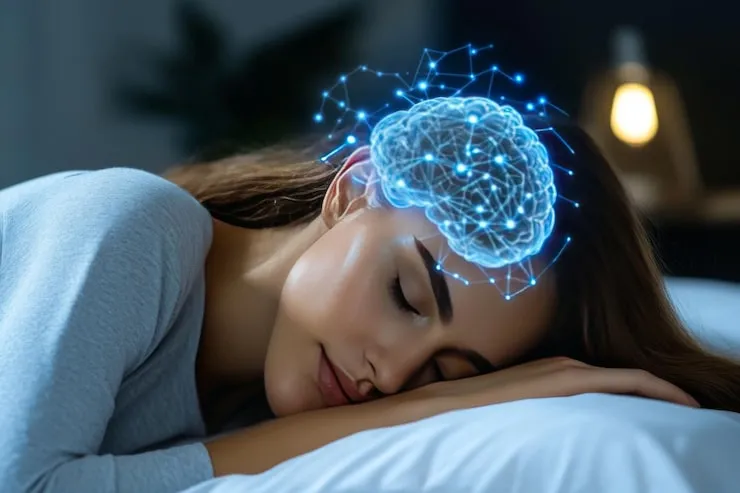
But clocking in a lot of hours is not a guarantee of real rest. Quality is what counts most. Deep sleep and steady cycles are much more important. Light or choppy sleep rarely finds the brain truly refreshed. A calmer setup helps ratify sleep: quiet space, dark places, steadfast routines. And small nips can bring big mental loots.
You May Also Like: Workplace Mental Health Programs: Why Companies Invest
How Sleep Fuels Memory and Clearer Thinking?
Good sleep impact on mental health depends on clear thinking, and sleep helps here, too. Sleep is vital for memory and attention. Although we're dreaming, our brain is hard at work setting what we've learned then discarding all the extra info we don't need. When people are sleep-deprived, it takes longer to think things through, and decisions develop harder to make. Memories start to blur, too. A knock in confidence can lead to spirits of prevention. Bad thinking ways have lasting belongings on mental health. Good sleep keeps the attention sharp so that individuals are capable and self-assured; that, in turn, may help daily expressive balance.
The Toll of Irregular Sleep Schedules
Inconsistent sleep confuses the brain. Irregular sleep means more tiredness and swings in hormonal balance. If this is continued for some time, mental health will suffer. The stability of a regular schedule-even consistency over weekends-plays an immense role in maintaining lifelong mental well-being.
Conclusion
Just like the above definition says, sleep isn’t just an important part of optional care; rather, sleep is a important part of mental health. It effects mood swings, anxiety levels, and overall levels of stress. Though, when sleep levels dip low, mental well-being slowly drops low. Happening the extra hand, clad sleep helps build mental sturdiness. It enhances cerebral clarity and promotes positive emotional swings. Mental problems feel less scary once sleep levels are good. Sleeping is a fundamental part of boosting mental health levels.